Mr. Paradorn Prissananantakul, Minister Attached to the Prime Minister's Office, Led Subcommittee on Combating Bribery in the Public Sector, Accelerating Reforms Towards a Transparent and Corruption-Free Government
20 November 2026
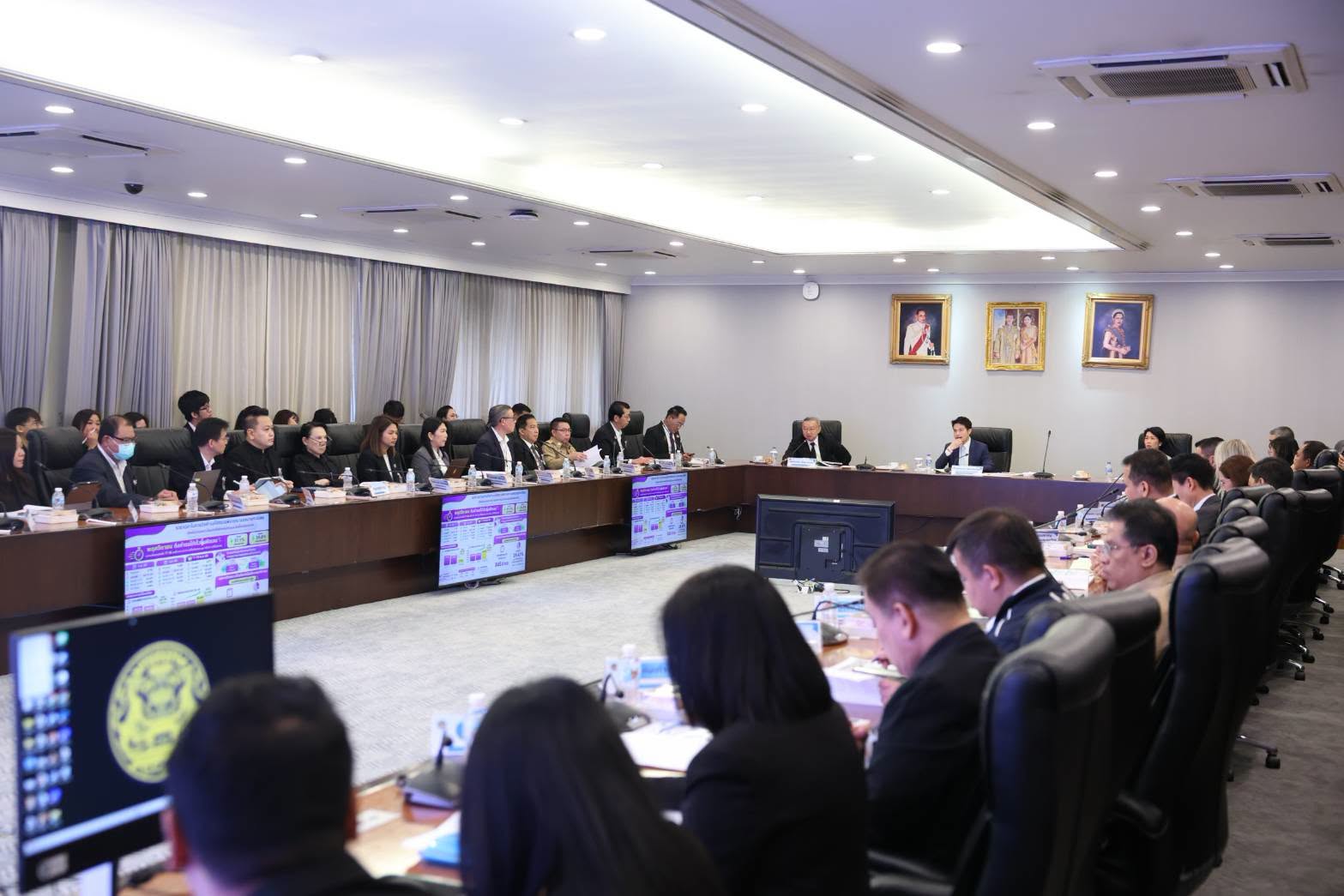
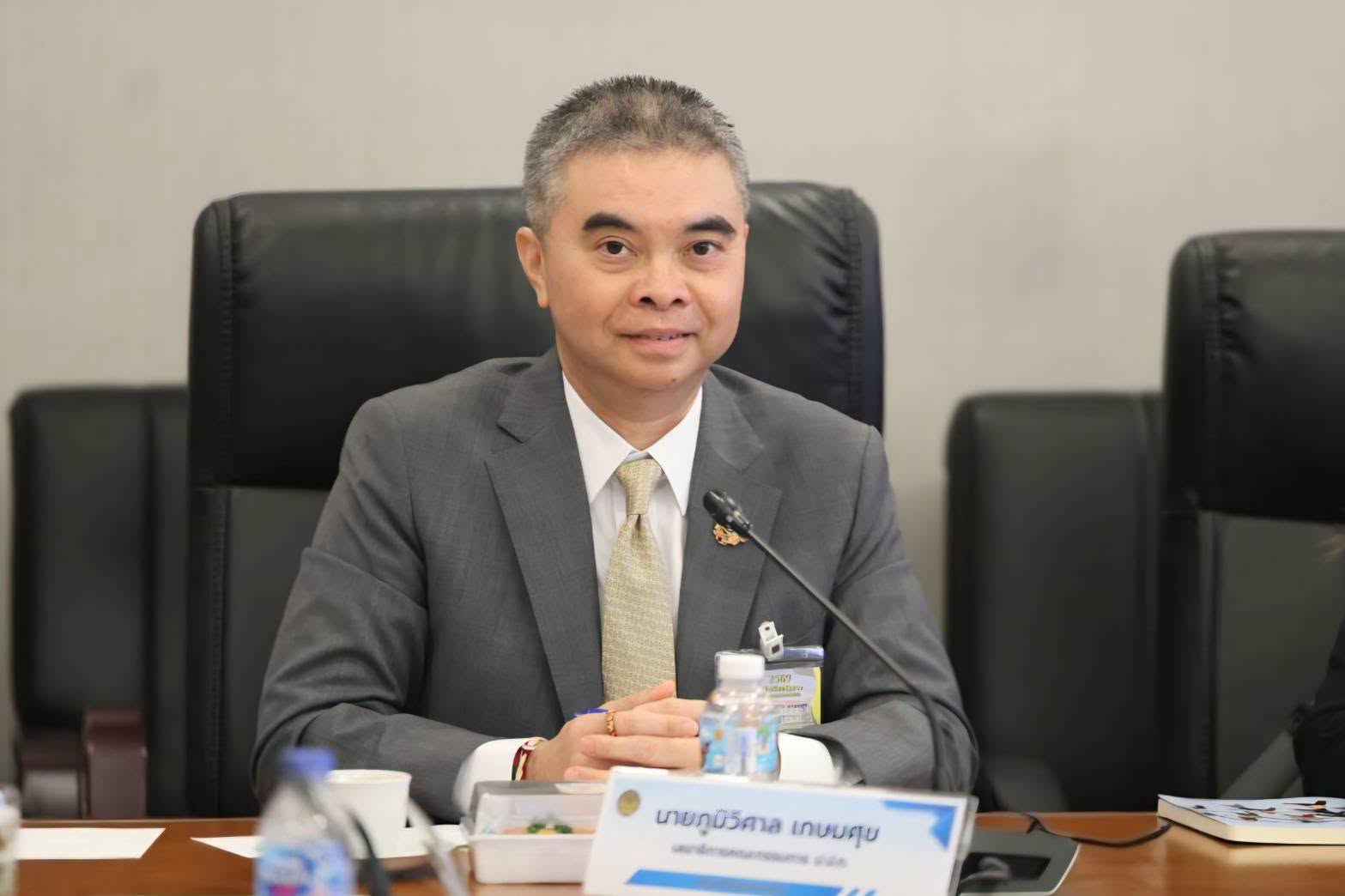
On Monday, 16 November 2026, at 10.00 a.m., Mr. Paradorn Prissananantakul, Minister Attached to the Prime Minister’s Office, chaired the 3rd of 2026 Meeting of the Subcommittee on Combating Bribery and Corruption Risks in the Public Sector, under the Anti-Corruption Coordination Committee (ACCC). The Subcommittee serves as a key mechanism for driving anti-corruption initiatives and reviewing policy recommendations to address bribery, corruption, and misconduct by public officials. Its responsibilities also include integrating and linking information across government agencies, as well as developing digital public service delivery systems, particularly for administrative approval and licensing procedures. In addition, the Subcommittee is tasked with proposing approaches to improve relevant laws, regulations, and government procedures to the ACCC. The meeting was attended by Pol. Gen. Permpoon Chidchob, Advisor to the Prime Minister; Ms. Ratchada Thanadirek, Assistant Minister Attached to the Prime Minister’s Office; Mr. Bhumivisan Kasemsook, Secretary-General of the Public Sector Anti-Corruption Commission (PACC), in his capacity as Subcommittee Member and Secretary; and other members of the Subcommittee representing relevant agencies. The meeting was held at Meeting Room 301, 3rd Floor, Command Building 1, Government House, Dusit District, Bangkok.
Key agenda items included consideration of the implementation of the “Khao San and Rambuttri Areas Sandbox” initiative, which aims to improve licensing procedures and law enforcement relating to entertainment venues, while strengthening measures to prevent corruption among public officials. The initiative focuses on establishing clear, transparent, and legally compliant operational procedures. Another important issue was the study and development of proposals for laws or regulations to establish common standards for whistleblower protection. This is intended to strengthen mechanisms for reporting corruption and encourage greater public participation in monitoring and preventing corruption in the public sector.
The meeting also acknowledged progress in implementing resolutions from the previous meeting on several key issues. These included cooperation between the public and private sectors to reduce corruption risks within government agencies; improvements to hotel business licensing procedures to encourage operators to enter the formal system; the development of model digital public service delivery systems; and the preliminary review and compilation of goods classified under customs tariff codes that may no longer require import permits or certificates, or may be subject to overlapping licensing requirements. These efforts aim to enhance the efficiency and transparency of public services, eliminate unnecessary procedures, and build lasting confidence among the public and business operators.
Gallery






Copyright©. All Rights Reserved. — The Office of the Public Sector Anti-Corruption Commission (PACC) Distributed By PACC ICT